A Beginner’s Guide to PET Plastic Packaging
PET is everywhere in modern packaging – and for good reason. If you’re sourcing containers for food, beverage, household, or personal care products, understanding what PET plastic is and why it’s so widely used can help you make better decisions for performance, sustainability, and supply chain resilience.
What is PET Plastic?
PET (Polyethylene Terephthalate) is a durable plastic from the polyester family – the same group of materials used in textile fibres. When used for packaging, PET is specifically engineered to deliver strength, clarity, and consistency.
At MPS, our PET packaging is manufactured using Injection Stretch Blow Moulding (ISBM), a process that produces containers that are:
- Lightweight, helping to reduce transport costs and carbon emissions
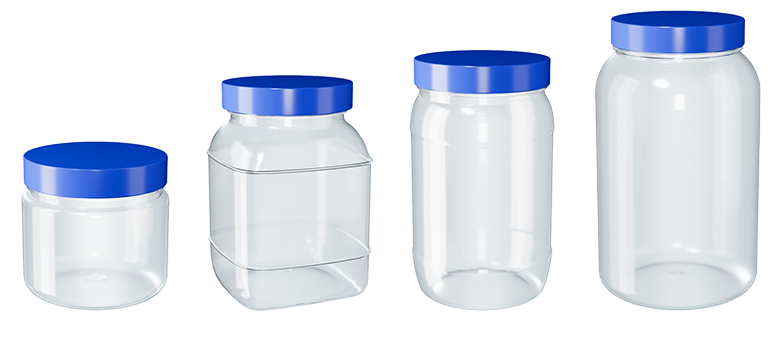
- Crystal clear, providing a premium, glass-like appearance on shelf
- Virtually unbreakable, improving handling efficiency and consumer safety
These qualities make PET an excellent choice for high-speed filling lines and large-scale distribution, aligning with the key priorities of procurement and operations teams.
Key Advantages of PET Packaging:
When compared with other plastic materials, PET consistently stands out for its optimal balance of performance and efficiency.
- Excellent Strength-to-Weight Ratio
PET containers deliver high strength without unnecessary weight. This enhances pallet utilisation, reduces freight costs, and supports emissions-reduction goals throughout the supply chain. - Exceptional Product Visibility
PET’s inherent transparency allows products to be clearly visible, offering a compelling alternative to glass—without the risk of breakage. - High Speed Filling without Compromise
PET containers are manufactured to tight tolerances with precise neck finishes, ensuring dependable performance on high-speed filling and capping equipment. This consistency minimises downtime, reduces rejects, and improves overall line efficiency.
At MPS, our containers are designed to integrate seamlessly with standard industry neck finishes and matched closure systems, helping manufacturers maintain throughput, quality, and control.
PET vs Other Plastics:
| Feature | PET | HDPE | PP |
| Transparency | Excellent | Opaque | Semi-opaque |
| Recyclability | Very High | High | Moderate |
| Rigidity | High | Meddium | Medium |
| Filling Line Precision | Excellent | Good | Good |
This is why PET is often the preferred choice for applications where product visibility, recyclability, and dimensional accuracy matter.
Why Is PET the World’s Most Recycled Plastic?
PET’s chemical structure is the key. Unlike many other plastics, PET can be melted down and reprocessed multiple times without losing its core mechanical integrity. This makes it ideal for closed-loop recycling, where used bottles are turned back into food-grade packaging.
How rPET Fits In
Recycled PET (rPET) uses post-consumer material while retaining the same functional properties as virgin PET when properly processed.
Expert advice:
MPS supports a wide range of PET and rPET blends, helping customers balance sustainability goals with technical and regulatory requirements.
High-quality rPET containers require both the right material and precise tooling. Consistent wall thickness, exact neck finishes, and tightly controlled processing are vital for smooth, reliable operation on filling lines.
Looking for the Right PET Solution?
Whether you’re evaluating rPET solutions, assessing filling line efficiency, or designing a new container format, expert technical guidance is essential. The MPS team is available to support you with:
- Samples and material advice
- Technical consultations on PET grades and neck finishes
- Quotations for PET and rPET containers and closures
Connect with us to find a packaging solution that’s efficient, profitable, and sustainable:
Email: sales@mps-europe.com
Telephone: 01670 522003